by Carla Fascetti, Account Director, NSB Agency
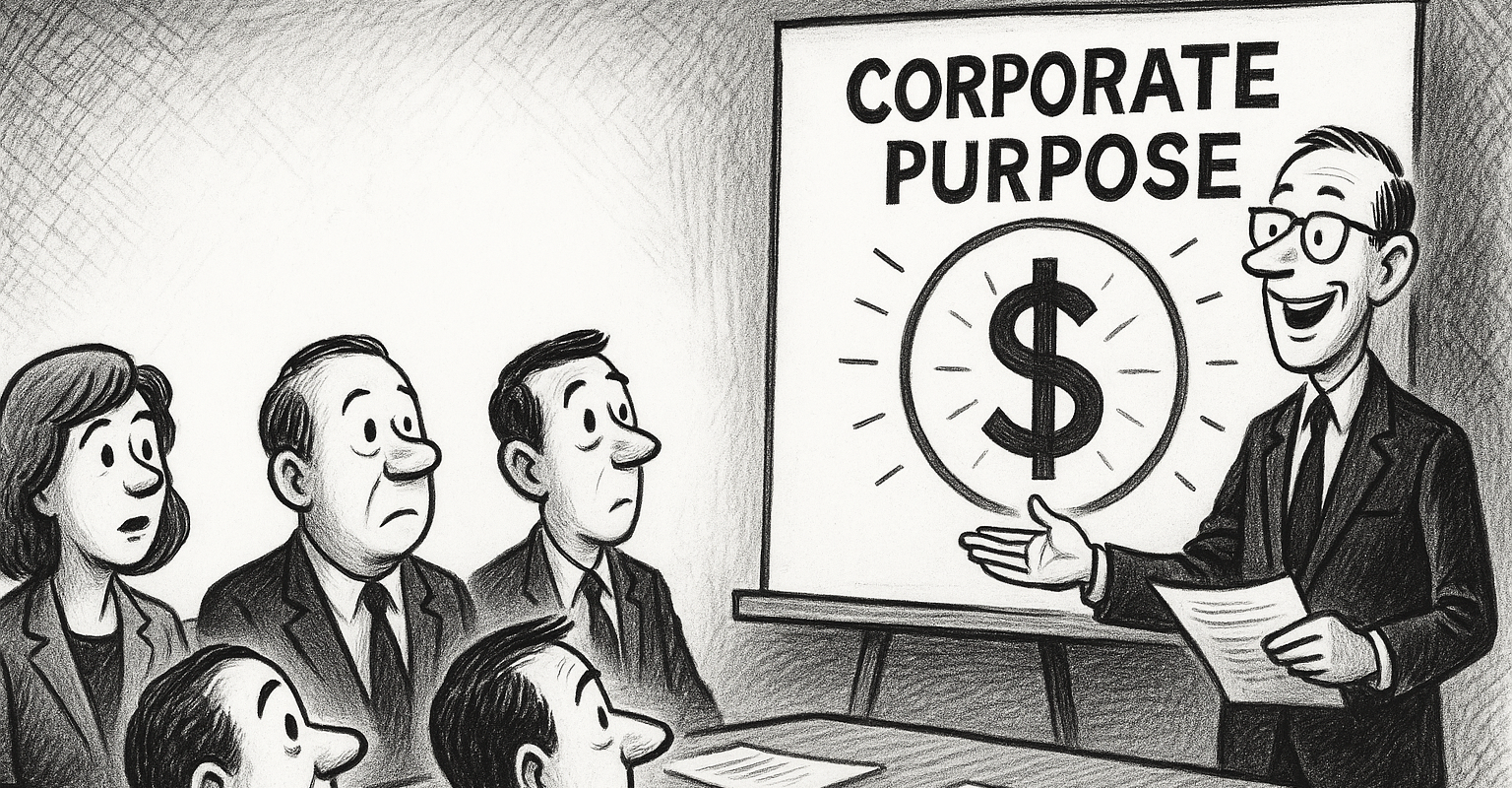
We live in the age of purpose. If your brand doesn't want to change the world, it seems to have nothing to say. The mantra is familiar: "People don't buy what you do, they buy why you do it," said Simon Sinek. And with it, an obsession was born: pinning an epic cause on everything.
The problem isn't purpose itself. It's what we did with it.
We turned it into a commodity. Into a brief. Into a checklist.
The result was an avalanche of brands talking about things that aren't theirs to talk about, that they can't sustain, or that they simply don't care about as much as they care about selling more.
Not every brand needs an altruistic purpose. Nor should it have one.
A snack brand or a consulting firm can build value without waving grand, lofty banners.
Sometimes the real differentiator lies in doing well what they promise: offering a good product, delivering, being responsive, being clear. There's no need to invent a humanitarian mission to justify their existence.
And be careful: insisting that every brand must have a purpose ends up producing the opposite effect. Credibility drops. The message rings hollow. It feels fake.
Let's not confuse "doing things right" with "having a purpose," either. Being sustainable, using better ingredients or designing good packaging isn't necessarily an act of social activism. It's a strategic decision that can improve your product, your reputation, or your relationship with regulators. And that's perfectly fine. Let's not dress it up as something else.
At NSB we work with very different brands. Some, like Kilimo, have a real purpose that runs through their entire operation. Others don't, and that's okay.
Purpose shouldn't be a costume, or a requirement for being relevant. In fact, it's often better to have none than to have one not even you believe in.
Want to build a brand? Do well what you promise.
Want to say something meaningful? Find your real difference.
And if you just want to make a good product or deliver a good service, and make a lot of money … that's perfectly fine too. After all, that's the main reason any for-profit company exists, and we shouldn't be ashamed of it.